
Peer learning and collective problem solving for UHC
JLN brings together policymakers and practitioners to co-develop practical solutions for shared health system challenges – actionable tools, frameworks, and reform strategies grounded in real-world country experience.

15+ Years of Practitioner Learning
Real-world experience shared across 53 member countries.
Specialized Topics, Shared Solutions
Country-Driven Approach
The portfolio reflects countries’ own priorities — ensuring relevance and adaptability across diverse health system contexts worldwide.
Safe Space for Learning
Members identify shared problems and synthesize information from country experience in a trusted, peer-to-peer environment.
Measurable System Impact
Countries benefit from reduced duplication, faster problem-solving, and strengthened policy design through shared learning.
Addressing Country Priorities, Co‑Developing Practical Solutions
A subset of JLN members convene on a specialized topic to co-produce a knowledge product addressing a specific implementation problem.
Typically run 18–24 months with support from technical facilitators and international experts in virtual and in-person workshops.
A structured method within a safe space for identifying shared problems and co-developing evidence-based solutions as global public goods.
Climate-Smart Health Systems
Digital Health
EXPLORE →
Domestic Resource Mobilization
EXPLORE →
Health Emergency Preparedness
EXPLORE →
Leveraging Resources for Efficiency
EXPLORE →
Tailored Approaches per Country Demand
Learning Exchanges
Follows the Country Pairing model with a 3–6 month exchange period. Supports deeper thematic learning without requiring a co-developed knowledge product.
Country Pairing
A demand-driven bilateral exchange strengthening cross-learning between countries through expert-led virtual and in-person workshops over 3–6 months.
Communities of Practice
Practitioners continue engaging after collaboratives conclude, enabling peer learning and shared insights from implementation experiences.
Adaptation and Implementation
Modification of a generic knowledge product to align with country-specific needs, supported by local and international technical experts. This goes beyond simple translation and may include piloting within a joint learning activity, followed by product refinement before full implementation.
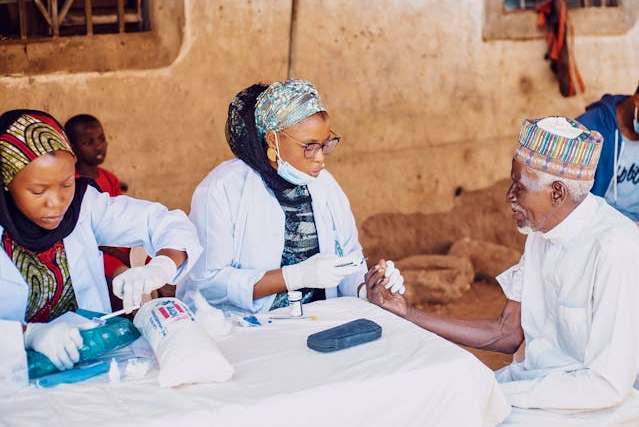
Nigeria

Mongolia
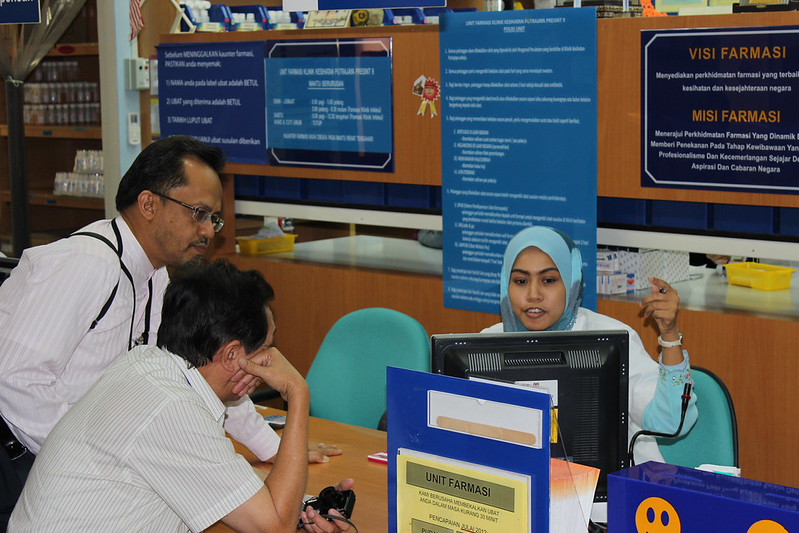
Malaysia
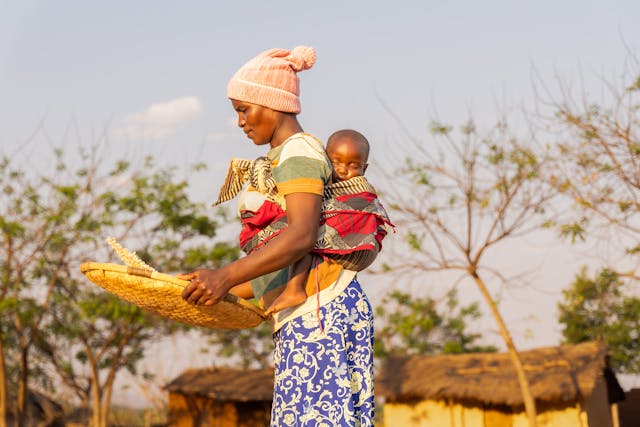
Malawi
Learning Spotlights
DRM Collaborative Seminar Series
DRM collaborative's Health Taxes Seminar Series and The Financial Protection in Health Seminar Series DRM Collaborative Health Taxes Seminar Series The JLN DRM collaborative Health Taxes Seminar Series (HTSS) began in 2020 as countries responded to COVID-19 while considering revenue...

Webinar: Coordinating Multi-sectoral, Multi-level Pandemic Responses
The current COVID-19 pandemic has proven to be devastating for health systems globally. To slow the spread of the virus and to reduce its toll, country leaders must manage strong systems-focused, multi-sectoral coordination, planning, and monitoring. Countries are asking how to create and...
CCG Newsletter Spotlight: Maryam Ali Ansari, Chief of Strategic Planning, Supreme Council of Health-Bahrain
Maryam Ali Ansari, currently serve as Chief of Strategic Planning at the Supreme Council of Health in the Kingdom of Bahrain. In addition, she plays the role of Program Manager of the Autonomy of both Public Hospitals and Primary care Health Centers under the National Social Health Insurance...
Featured Resources
JLN Knowledge Products
JLN's co-developed knowledge products are freely available as global public goods — practical tools and guides shaped by country practitioners for use in diverse health system contexts.
Receive Regular Updates from JLN
Subscribe and stay informed on peer learning, collaboratives, and knowledge resources from across our member countries. Questions? Email [email protected]
Explore Learning Collaboratives
Browse Knowledge Products
Explore 50+ freely available toolkits, guides, and case studies