Our Impact for UHC
For over 15 years our monitoring and evaluation approach documented health systems strengthening efforts by JLN member countries that applied practical guidance co-developed by policymakers and practitioners.
15 Years of Growth
A Global Network of Policy Makers and Practitioners for Universal Health Coverage
JLN's cross-country learning and collective problem-solving approach has strengthened health systems addressing country priorities and driving sustainable change in health policy, institutions and programs.
Country Impact
Real Reform. Real Results.
JLN's 50+ collectively developed knowledge products (tools, frameworks, policy and program guidance) have been applied by countries and case studies document how these have driven health system change.
India used the JLN’s Medical Audit Toolkit to develop a decentralized medical audit system for Ayushman Bharat Pradhan Mantri Arogya Yojana (PM-JAY) covering 500 million people - scaled across states to review claims, detect fraud, and safeguard the quality of care for patients.
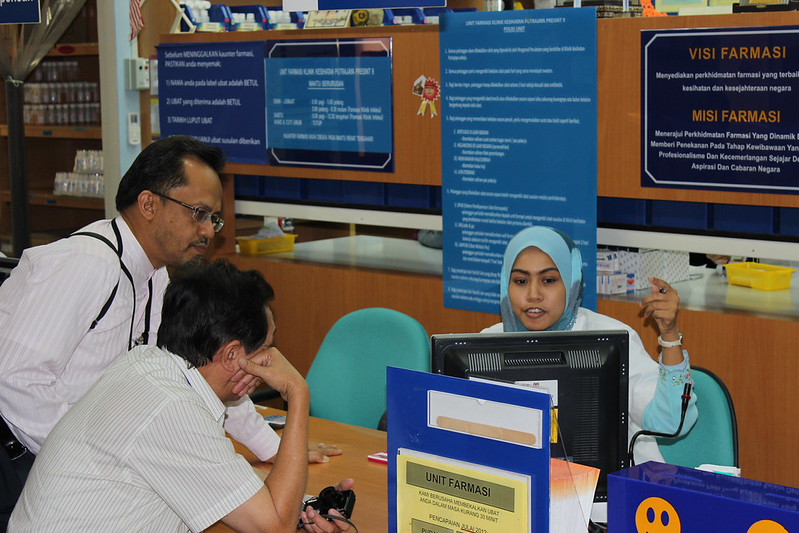
Malaysia's use of JLN's UHC PHC Self-Assessment Tool generated insights into how financial coverage institutions interact with primary health care actors — informing improvements to public-private partnerships and expanding PHC coverage.
Nigeria's use of JLN's Strategic Communications Practical Guide and Planning Tool helped break through barriers to the Basic Health Care Provision Fund (BHCPF) — contributing to its first appropriation, increased public interest, targeted rollout communications process.
Kenya's application of JLN's Costing of Health Services for Provider Payment toolkit generated findings that directly reformed county-level reimbursement models — lowering costs, increasing efficiency, and strengthening financial sustainability of health services.
Through JLN's National Coordination of Pandemic Responses Collaborative, countries adapted guidance on multi-sectoral pandemic response and identified actionable lessons - strengthening COVID-19 transmission reduction strategies and building long-term pandemic resilience.
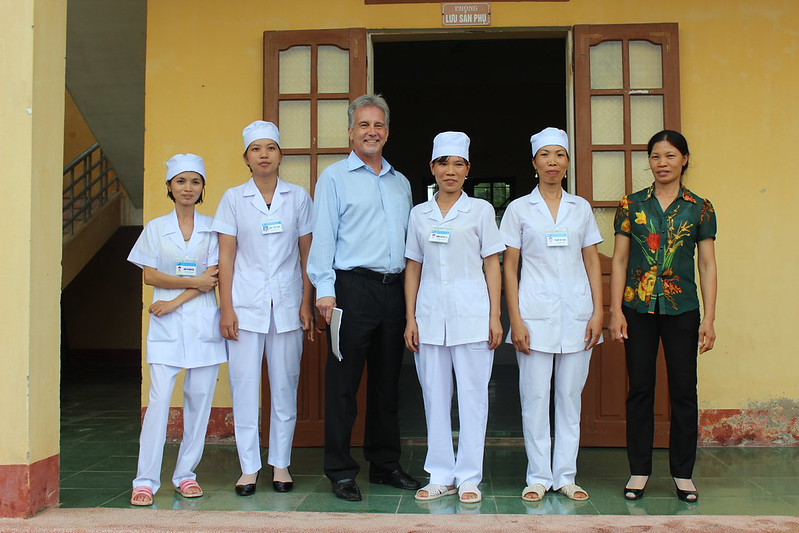
Liberia and Ghana addressed a critical gap in expanding health coverage — reaching unserved groups through two targeted toolboxes developed by the JLN’s Population Targeting collaborative - institutional coordination with health & non-health agencies, population targeting data linkage.
JLN Experience
What JLN Experience Is Teaching Us
JLF 2025–2026 Cycle
15 Initiatives.
$1 Million Deployed.
Joint Learning Fund
Catalytic Financing for Country-Led Reform
The JLF provides flexible, catalytic funding to Country Core Groups — enabling them to adapt, pilot, and implement JLN knowledge products within their own policy and institutional contexts.
Technical Collaboratives
Where JLN Drives Change
JLN's active technical collaboratives address the most pressing health system challenges — building practical knowledge and co-producing solutions with member countries.

Featured Resources
JLN Knowledge Products
JLN's co-developed knowledge products are freely available as global public goods — practical tools and guides shaped by country practitioners for use in diverse health system contexts.